Mostrando entradas con la etiqueta filmmaking. Mostrar todas las entradas
Mostrando entradas con la etiqueta filmmaking. Mostrar todas las entradas
2 jul 2013
Como iluminar para lograr el efecto del "Film Negro" "Film Noir" #Iluminación #Producción #Excelencia #Cinematografía
Enciclopedia Visual de Cine de FilmmakerIQ The Basics of Lighting for Film Noir from FilmmakerIQ.com on Vimeo.

14 oct 2010
Curso Taller Intensivo de Direccion y Produccion de Cine en 48 horas x 1 semana intensiva todo incluido
¿Tienes años soñando en hacer cine y no sabes como?

... con nosotros aprenderás a producir, dirigir y filmar como un experto
Una persona puede tomar sola el curso taller con coaching personal de cine digital y su costo es de
$2,850 Dólares más IVA mas IVA
Entrenamiento Personal Coaching Extremo y Curso de producción de corto
(solo grupos de 3 cineastas mínimo) $950 Dólares más IVA por persona en Cine Digital
Del Productor Ganador de "Proyecto 48" México
El Reality de Producción de Cine de la Cadena TNT Network
Revisa toda la información en este link
22 ago 2009
Tape to Film Transferencia de Video a Película de Cine 35 mm para cineminutos
Somos los expertos en transferencias de archivos digitales y de video a película de cine de 35 mm para cineminutos cortos y largometrajes
Checa nuestra ultima transferencia
de HDV a 35mm
Checa nuestra ultima transferencia
de HDV a 35mm
"El Día" dirigida por TAO
Producción de Tape to Film
Formato HDV > transferido a 35 mm
Producción de Tape to Film
Formato HDV transferido a 35 mm
Ing Jose Maria Noriega
Estimado José María:
Mil gracias por tus tan generosos comentarios. De corazón mil gracias!!!
...Que tengas un gran fin de semana y de nuevo, gracias por tu apoyo y tu invaluable colaboración para que EL DÍA sea. Con agradecimiento
Tu amigo
Tao
15-08-2009
Participante:
Festival Internacional de Estrasburgo
Festival Internacional de Cine de Monterrey
CATEGORIA: Largometrajes de Nuevo León / Nuevo León Feature Films in Competition EL DÍA / (THE DAY) Categoría / Category: Largometrajes de Nuevo León / Nuevo León Feature Films in Competition
Título original / Original title: EL DÍA
Título en inglés / English title: THE DAY
País de Origen / Country of origin: México
País secundario de produccion:
Duración en minutos / Film length in minutes: 102
Nombre del Director / Director's name: Tao
Nombre del Productor / Producer's name: Ana Detlova
Cinefotografía / Cinematography: David Fernández, Adolfo Torres
Guión / Screenplay: Tao
Edición / Editing: Tao
Sonido / Sound Design: Angel Rangel
Reparto / Cast: Juliana Guajardo
Breve sinopsis en español / Brief Synopsis in spanish
Visión poética de un día en la vida de una mujer.
Transferencia digital de video y su conversión a cine: Video a Cine, TAPE to FILM, Tape to Cine , Data to Film, Data to Cine
Tape to Film Transfer de video a film cine 35 mm para proyectarse en Cine minutos, transferencia profesional de video digital a formato de cine 35 mm, 16 mm, 8mm, Tape to Film VideoFILM® Transferencia de Video a Película de Cine 35 mm y 16mm
24 nov 2008
¡Que viva México! - Sergei Eisenstein
Que viva México! (en ruso, Да здравствует Мексика!) fue un proyecto filmico inconcluso de Serguéi Eisenstein. La producción estuvo marcada por dificultades y finalmente abandonada. Jay Leyda y Ziba Voynow lo denominan su plan de filme más grande y su tragedia personal más grande[1] . Eisenstein llega a México en diciembre de 1930, patrocinado por Upton Sinclair y su esposa Mary Kimbrough Sinclair.
El material original nunca fue montado. El material filmado ha sido reconstruido por otros bajo los titulos de Thunder Over Mexico, Eisenstein in Mexico, Death Day y Time in the Sun. En 1979 Grigori Aleksandrov, a partir de los storyboards originales de Eisenstein, compiló Da zdravstvuyet Meksika!, una aproximación al montaje que éste planeaba.
La estructura del filme, en la reconstrución de Aleksandrov es de cuatro episodios, más un prólogo y un epílogo. El prólogo presenta imágenes alegóricas al México prehispánico. El episodio "Sandunga" recrea los preparativos de una boda indígena en Tehuantepec. "Fiesta" desarrolla el ritual de la fiesta brava, mientras que "Maguey" escenifica la tragedia de un campesino victimado por rebelarse en contra de su patrón. "Soldadera" (episodio no filmado) presentaría el sacrificio de una mujer revolucionaria. El epílogo, también conocido como "Día de muertos", se refiere al sincretismo de las distintas visiones que coexisten en México alrededor del tema de la muerte.
El material original nunca fue montado. El material filmado ha sido reconstruido por otros bajo los titulos de Thunder Over Mexico, Eisenstein in Mexico, Death Day y Time in the Sun. En 1979 Grigori Aleksandrov, a partir de los storyboards originales de Eisenstein, compiló Da zdravstvuyet Meksika!, una aproximación al montaje que éste planeaba.
La estructura del filme, en la reconstrución de Aleksandrov es de cuatro episodios, más un prólogo y un epílogo. El prólogo presenta imágenes alegóricas al México prehispánico. El episodio "Sandunga" recrea los preparativos de una boda indígena en Tehuantepec. "Fiesta" desarrolla el ritual de la fiesta brava, mientras que "Maguey" escenifica la tragedia de un campesino victimado por rebelarse en contra de su patrón. "Soldadera" (episodio no filmado) presentaría el sacrificio de una mujer revolucionaria. El epílogo, también conocido como "Día de muertos", se refiere al sincretismo de las distintas visiones que coexisten en México alrededor del tema de la muerte.
21 nov 2008
Calculadora de Lentes y Campo de Vision
Página para calcular diferentes caracteristicas de lentes
Longitud focal, equivalencia de lentes entre diferentes sensores, etc.
Muy util para entender el factor de cropeo que se da al utilizar lentes en camaras de cine o fotograficas que tienen sensores de diferente tamaño al del negativo
This calculator computes the equivalent lens focal length and aperture necessary to produce the same angular field of view and depth of field on two cameras with different sensor sizes.
Longitud focal, equivalencia de lentes entre diferentes sensores, etc.
Muy util para entender el factor de cropeo que se da al utilizar lentes en camaras de cine o fotograficas que tienen sensores de diferente tamaño al del negativo
This calculator computes the equivalent lens focal length and aperture necessary to produce the same angular field of view and depth of field on two cameras with different sensor sizes.
10 may 2008
Demystifying Digital Camera Specifications
Box Office: "Demystifying Digital Camera SpecificationsDemystifying Digital Camera Specifications"
April 3, 2008 - John Galt, Head of Advanced Digital Imaging at Panavision, and Larry Thorpe, National Marketing Manager at Canon Broadcast & Communications Division, came together to help untangle some common misunderstandings in Digital Camera Specifications
7 Parts
http://media.panavision.com/ScreeningRoom/Screening_Room/Demystifying_Part1.html
Press Release- Panavision’s John Galt and Canon’s Larry Thorpe Make The Case for Meaningful Metrics
FOR IMMEDIATE RELEASE
“DEMYSTIFYING DIGITAL CAMERA SPECIFICATIONS,” SEVEN-PART VIDEO SERIES ILLUMINATING DIGITAL IMAGING TECHNOLOGY, DEBUTS ON PANAVISION WEBSITE
Panavision’s John Galt and Canon’s Larry Thorpe Make The Case for Meaningful Metrics Appropriate for The Age of Digital Movie Making
May 6, 2008 - Woodland Hills, Calif. —“Demystifying Digital Camera Specifications,” a seven-part series focusing on the complex science of image resolution and digital cinema cameras is now available on the Panavision website. The URL is: http://media.panavision.com/ScreeningRoom/Screening_Room/Box_Office.html.
The in-depth symposium is presented by two icons of digital cinema technology: John Galt, Panavision Senior Vice President, Advanced Digital Imaging; and Larry Thorpe, National Marketing Manager, Canon Broadcast & Communication Division.
A master class for motion picture professionals and students, the series is also in the minds of its creators a precursor to a broader, crucial industry-wide discussion: the need for a scientifically valid, objective method of assessing the quality of digital and film images.
Recorded in high-definition video, the symposium was held April 3 before an audience of invited guests in the Panavision Theater, located in the company’s world headquarters in Woodland Hills, Calif.
Imaging resolution science: a closer look
Throughout the series, Galt and Thorpe challenge the simplistic and inaccurate assumption that digital camera resolution is “all about the camera output pixels.” Instead, they help serious motion picture creators to understand the difference between optical sampling from camera imagers (where resolution is totally determined) and the camera digital sampling.
They explore in depth what is meant by Modulation Transfer Function (MTF) and the compounding effect of lens MTF, camera MTF, and the MTF of subsequent production system elements.
Their discussion emphasizes that the relationship between the lens-camera MTF profile and associated residual aliasing – in both the horizontal and vertical domains – constitutes the only rational metric on imaging resolution. These two criteria apply to all 2/3-inch three-imager and to 35mm single-imager digital cameras. Nyquist theory, optical prefiltering and imager sampling lattice are explained in the context of camera design criteria that seek a pragmatic compromise between high MTF and minimum aliasing.
While camera manufacturers generally do not publish camera-specific information regarding lens-camera MTF and aliasing, various test charts are available to enable an objective assessment of both criteria. With these charts, fully demonstrated in the series, content developers can directly compare the performance between any two digital cameras regardless of image format size, number of imagers, or their optical sampling lattice.
Using the MTF metric, Galt and Thorpe conclude, digital movie makers now have better tools to help them gauge precisely what effect each step has on the production of the final image.
In addition to appearing on the Panavision website, the “Demystifying Digital Camera Specifications” series is being made available through various professional, trade and media Internet sites. For film schools, students and instructors, it is being showcased through the University Film and Video Association: http://www.ufva.org, in the news section. The UFVA is an international organization of almost 800 professionals and institutions involved in the production and study of film, video, and other media arts.
Transcripts of the seminars, with embedded slides, will soon be available to accompany the video presentation to facilitate class use or individual study.
“With programs like ‘Demystifying Digital Camera Specifications,’” said Bob Beitcher, President and CEO, “Panavision is trying both to educate our customers as well as raise the level of industry discussion about emerging technologies to focus on the science of what we do. I think that most everyone stands to benefit from a good look-and-listen at this stimulating presentation from two true experts.”
About the company Founded in 1954, Panavision Inc. is a leading designer and manufacturer of high-precision camera systems, comprising of film and digital cameras, lenses and accessories for the motion picture and television industries. Panavision systems are rented through its domestic and international owned and operated facilities and distributor network. Panavision also supplies lighting, grip and crane equipment for use by motion picture and television productions.
April 3, 2008 - John Galt, Head of Advanced Digital Imaging at Panavision, and Larry Thorpe, National Marketing Manager at Canon Broadcast & Communications Division, came together to help untangle some common misunderstandings in Digital Camera Specifications
7 Parts
http://media.panavision.com/ScreeningRoom/Screening_Room/Demystifying_Part1.html
Press Release- Panavision’s John Galt and Canon’s Larry Thorpe Make The Case for Meaningful Metrics
FOR IMMEDIATE RELEASE
“DEMYSTIFYING DIGITAL CAMERA SPECIFICATIONS,” SEVEN-PART VIDEO SERIES ILLUMINATING DIGITAL IMAGING TECHNOLOGY, DEBUTS ON PANAVISION WEBSITE
Panavision’s John Galt and Canon’s Larry Thorpe Make The Case for Meaningful Metrics Appropriate for The Age of Digital Movie Making
May 6, 2008 - Woodland Hills, Calif. —“Demystifying Digital Camera Specifications,” a seven-part series focusing on the complex science of image resolution and digital cinema cameras is now available on the Panavision website. The URL is: http://media.panavision.com/ScreeningRoom/Screening_Room/Box_Office.html.
The in-depth symposium is presented by two icons of digital cinema technology: John Galt, Panavision Senior Vice President, Advanced Digital Imaging; and Larry Thorpe, National Marketing Manager, Canon Broadcast & Communication Division.
A master class for motion picture professionals and students, the series is also in the minds of its creators a precursor to a broader, crucial industry-wide discussion: the need for a scientifically valid, objective method of assessing the quality of digital and film images.
Recorded in high-definition video, the symposium was held April 3 before an audience of invited guests in the Panavision Theater, located in the company’s world headquarters in Woodland Hills, Calif.
Imaging resolution science: a closer look
Throughout the series, Galt and Thorpe challenge the simplistic and inaccurate assumption that digital camera resolution is “all about the camera output pixels.” Instead, they help serious motion picture creators to understand the difference between optical sampling from camera imagers (where resolution is totally determined) and the camera digital sampling.
They explore in depth what is meant by Modulation Transfer Function (MTF) and the compounding effect of lens MTF, camera MTF, and the MTF of subsequent production system elements.
Their discussion emphasizes that the relationship between the lens-camera MTF profile and associated residual aliasing – in both the horizontal and vertical domains – constitutes the only rational metric on imaging resolution. These two criteria apply to all 2/3-inch three-imager and to 35mm single-imager digital cameras. Nyquist theory, optical prefiltering and imager sampling lattice are explained in the context of camera design criteria that seek a pragmatic compromise between high MTF and minimum aliasing.
While camera manufacturers generally do not publish camera-specific information regarding lens-camera MTF and aliasing, various test charts are available to enable an objective assessment of both criteria. With these charts, fully demonstrated in the series, content developers can directly compare the performance between any two digital cameras regardless of image format size, number of imagers, or their optical sampling lattice.
Using the MTF metric, Galt and Thorpe conclude, digital movie makers now have better tools to help them gauge precisely what effect each step has on the production of the final image.
In addition to appearing on the Panavision website, the “Demystifying Digital Camera Specifications” series is being made available through various professional, trade and media Internet sites. For film schools, students and instructors, it is being showcased through the University Film and Video Association: http://www.ufva.org, in the news section. The UFVA is an international organization of almost 800 professionals and institutions involved in the production and study of film, video, and other media arts.
Transcripts of the seminars, with embedded slides, will soon be available to accompany the video presentation to facilitate class use or individual study.
“With programs like ‘Demystifying Digital Camera Specifications,’” said Bob Beitcher, President and CEO, “Panavision is trying both to educate our customers as well as raise the level of industry discussion about emerging technologies to focus on the science of what we do. I think that most everyone stands to benefit from a good look-and-listen at this stimulating presentation from two true experts.”
About the company Founded in 1954, Panavision Inc. is a leading designer and manufacturer of high-precision camera systems, comprising of film and digital cameras, lenses and accessories for the motion picture and television industries. Panavision systems are rented through its domestic and international owned and operated facilities and distributor network. Panavision also supplies lighting, grip and crane equipment for use by motion picture and television productions.
23 feb 2007
The Mexican Film Wave 16 Oscar´s Nominees
There are a total of 16 Oscar nominations for Mexican projects -
the same number British films have received. And both, second
only to the Americans.
This year, three Mexican films stand out.
Alfonso Cuaron's Children of Men
Guillermo del Toro's Pan's Labyrinth
Babel,by Alejandro Gonzalez Inarritu.
"What matters, is that wherever the film is shot, it has a
made-in-Mexico authenticity to it," he says.
"Right now, Mexican realism is what audiences want," says Mr
Flores Marini.
Academy Awards for outstanding film achievements of 2006 will be presented on Sunday, February 25, 2007, at the Kodak Theatre at Hollywood & Highland Center®.
Performance by an actor in a leading role
Leonardo DiCaprio in “Blood Diamond” (Warner Bros)
Ryan Gosling in “Half Nelson” (THINKFilm)
Peter O’Toole in “Venus” (Miramax, Filmfour and UK Film Council
Will Smith in “The Pursuit of Happyness” (Sony Pictures Releasing)
Forest Whitaker in “The Last King of Scotland” (Fox Searchlight
Performance by an actor in a supporting role
Alan Arkin in “Little Miss Sunshine” (Fox Searchlight)
Jackie Earle Haley in “Little Children” (New Line)
Djimon Hounsou in “Blood Diamond” (Warner Bros.)
Eddie Murphy in “Dreamgirls” (DreamWorks and Paramount)
Mark Wahlberg in “The Departed” (Warner Bros.)
Performance by an actress in a leading role
Penélope Cruz in “Volver” (Sony Pictures Classics)
Judi Dench in “Notes on a Scandal” (Fox Searchlight)
Helen Mirren in “The Queen” (Miramax, Pathé and Granada)
Meryl Streep in “The Devil Wears Prada” (20th Century Fox)
Kate Winslet in “Little Children” (New Line)
Performance by an actress in a supporting role
Adriana Barraza in “Babel” (Paramount and Paramount Vantage)
Cate Blanchett in “Notes on a Scandal” (Fox Searchlight)
Abigail Breslin in “Little Miss Sunshine” (Fox Searchlight)
Jennifer Hudson in “Dreamgirls” (DreamWorks and Paramount)
Rinko Kikuchi in “Babel” (Paramount and Paramount Vantage)
Best animated feature film of the year
“Cars” (Buena Vista) John Lasseter
“Happy Feet” (Warner Bros.) George Miller
“Monster House” (Sony Pictures Releasing) Gil Kenan
Achievement in art direction
“Dreamgirls” (DreamWorks and Paramount)
Art Direction: John Myhre
Set Decoration: Nancy Haigh
“The Good Shepherd” (Universal)
Art Direction: Jeannine Oppewall
Set Decoration: Gretchen Rau and Leslie E. Rollins
“Pan’s Labyrinth” (Picturehouse)
Art Direction: Eugenio Caballero
Set Decoration: Pilar Revuelta
“Pirates of the Caribbean: Dead Man’s Chest” (Buena Vista)
Art Direction: Rick Heinrichs
Set Decoration: Cheryl Carasik
“The Prestige” (Buena Vista)
Art Direction: Nathan Crowley
Set Decoration: Julie Ochipinti
Achievement in cinematography
“The Black Dahlia” (Universal) Vilmos Zsigmond
“Children of Men” (Universal) Emmanuel Lubezki
“The Illusionist” (Yari Film Group) Dick Pope
“Pan’s Labyrinth” (Picturehouse) Guillermo Navarro
“The Prestige” (Buena Vista) Wally Pfister
Achievement in costume design
“Curse of the Golden Flower” (Sony Pictures Classics) Yee Chung Man
“The Devil Wears Prada” (20th Century Fox) Patricia Field
“Dreamgirls” (DreamWorks and Paramount) Sharen Davis
“Marie Antoinette” (Sony Pictures Releasing) Milena Canonero
“The Queen” (Miramax, Pathé and Granada) Consolata Boyle
Achievement in directing
“Babel” (Paramount and Paramount Vantage) Alejandro González Iñárritu
“The Departed” (Warner Bros.) Martin Scorsese
“Letters from Iwo Jima” (Warner Bros.) Clint Eastwood
“The Queen” (Miramax, Pathé and Granada) Stephen Frears
“United 93” (Universal and StudioCanal) Paul Greengrass
Best documentary feature
“Deliver Us from Evil” (Lionsgate)
A Disarming Films Production
Amy Berg and Frank Donner
“An Inconvenient Truth” (Paramount Classics and Participant Productions)
A Lawrence Bender/Laurie David Production
Davis Guggenheim
“Iraq in Fragments” (Typecast Releasing in association with HBO Documentary Films)
A Typecast Pictures/Daylight Factory Production
James Longley and John Sinno
“Jesus Camp” (Magnolia Pictures)
A Loki Films Production
Heidi Ewing and Rachel Grady
“My Country, My Country” (Zeitgeist Films)
A Praxis Films Production
Laura Poitras and Jocelyn Glatzer
Best documentary short subject
“The Blood of Yingzhou District”
A Thomas Lennon Films Production
Ruby Yang and Thomas Lennon
“Recycled Life”
An Iwerks/Glad Production
Leslie Iwerks and Mike Glad
“Rehearsing a Dream”
A Simon & Goodman Picture Company Production
Karen Goodman and Kirk Simon
“Two Hands”
A Crazy Boat Pictures Production
Nathaniel Kahn and Susan Rose Behr
Achievement in film editing
“Babel” (Paramount and Paramount Vantage)
Stephen Mirrione and Douglas Crise
“Blood Diamond” (Warner Bros.)
Steven Rosenblum
“Children of Men” (Universal)
Alex Rodríguez and Alfonso Cuarón
“The Departed” (Warner Bros.)
Thelma Schoonmaker
“United 93” (Universal and StudioCanal)
Clare Douglas, Christopher Rouse and Richard Pearson
Best foreign language film of the year
“After the Wedding” A Zentropa Entertainments 16 Production
Denmark
“Days of Glory (Indigènes)” A Tessalit Production
Algeria
“The Lives of Others” A Wiedemann & Berg Production
Germany
“Pan’s Labyrinth” A Tequila Gang/Esperanto Filmoj/Estudios Picasso Production
Mexico
“Water” A Hamilton-Mehta Production
Canada
Achievement in makeup
“Apocalypto” (Buena Vista) Aldo Signoretti and Vittorio Sodano
“Click” (Sony Pictures Releasing) Kazuhiro Tsuji and Bill Corso
“Pan’s Labyrinth” (Picturehouse) David Martí and Montse Ribé
Achievement in music written for motion pictures (Original score)
“Babel” (Paramount and Paramount Vantage) Gustavo Santaolalla
“The Good German” (Warner Bros.) Thomas Newman
“Notes on a Scandal” (Fox Searchlight) Philip Glass
“Pan’s Labyrinth” (Picturehouse) Javier Navarrete
“The Queen” (Miramax, Pathé and Granada) Alexandre Desplat
Achievement in music written for motion pictures (Original song)
“I Need to Wake Up” from “An Inconvenient Truth”
(Paramount Classics and Participant Productions)
Music and Lyric by Melissa Etheridge
“Listen” from “Dreamgirls”
(DreamWorks and Paramount)
Music by Henry Krieger and Scott Cutler
Lyric by Anne Preven
“Love You I Do” from “Dreamgirls”
(DreamWorks and Paramount)
Music by Henry Krieger
Lyric by Siedah Garrett
“Our Town” from “Cars”
(Buena Vista)
Music and Lyric by Randy Newman
“Patience” from “Dreamgirls”
(DreamWorks and Paramount)
Music by Henry Krieger
Lyric by Willie Reale
Best motion picture of the year
“Babel” (Paramount and Paramount Vantage)
An Anonymous Content/Zeta Film/Central Films Production
Alejandro González Iñárritu, Jon Kilik and Steve Golin, Producers “The Departed” (Warner Bros.)
A Warner Bros. Pictures Production
Graham King, Producer
“Letters from Iwo Jima” (Warner Bros.)
A DreamWorks Pictures/Warner Bros. Pictures Production
Clint Eastwood, Steven Spielberg and Robert Lorenz, Producers
“Little Miss Sunshine” (Fox Searchlight)
A Big Beach/Bona Fide Production
David T. Friendly, Peter Saraf and Marc Turtletaub, Producers
“The Queen” (Miramax, Pathé and Granada)
A Granada Production
Andy Harries, Christine Langan and Tracey Seaward, Producers
Best animated short film
“The Danish Poet” (National Film Board of Canada)
A Mikrofilm and National Film Board of Canada Production
Torill Kove
“Lifted” (Buena Vista)
A Pixar Animation Studios Production
Gary Rydstrom
“The Little Matchgirl” (Buena Vista)
A Walt Disney Pictures Production
Roger Allers and Don Hahn
“Maestro” (SzimplaFilm)
A Kedd Production
Géza M. Tóth
“No Time for Nuts” (20th Century Fox)
A Blue Sky Studios Production
Chris Renaud and Michael Thurmeier
Best live action short film
“Binta and the Great Idea (Binta Y La Gran Idea)”
A Peliculas Pendelton and Tus Ojos Production
Javier Fesser and Luis Manso
“Éramos Pocos (One Too Many)” (Kimuak)
An Altube Filmeak Production
Borja Cobeaga
“Helmer & Son”
A Nordisk Film Production
Søren Pilmark and Kim Magnusson
“The Saviour” (Australian Film Television and Radio School)
An Australian Film Television and Radio School Production
Peter Templeman and Stuart Parkyn
“West Bank Story”
An Ari Sandel, Pascal Vaguelsy, Amy Kim, Ravi Malhotra and Ashley Jordan Production
Ari Sandel
Achievement in sound editing
“Apocalypto” (Buena Vista)
Sean McCormack and Kami Asgar
“Blood Diamond” (Warner Bros.)
Lon Bender
“Flags of Our Fathers” (DreamWorks and Warner Bros., Distributed by Paramount)
Alan Robert Murray and Bub Asman
“Letters from Iwo Jima” (Warner Bros.)
Alan Robert Murray and Bub Asman
“Pirates of the Caribbean: Dead Man’s Chest” (Buena Vista)
Christopher Boyes and George Watters II
Achievement in sound mixing
“Apocalypto” (Buena Vista)
Kevin O’Connell, Greg P. Russell and Fernando Cámara
“Blood Diamond” (Warner Bros.)
Andy Nelson, Anna Behlmer and Ivan Sharrock
“Dreamgirls” (DreamWorks and Paramount)
Michael Minkler, Bob Beemer and Willie Burton
“Flags of Our Fathers” (DreamWorks and Warner Bros., Distributed by Paramount)
John Reitz, Dave Campbell, Gregg Rudloff and Walt Martin
“Pirates of the Caribbean: Dead Man’s Chest” (Buena Vista)
Paul Massey, Christopher Boyes and Lee Orloff
Achievement in visual effects
“Pirates of the Caribbean: Dead Man’s Chest” (Buena Vista)
John Knoll, Hal Hickel, Charles Gibson and Allen Hall
“Poseidon” (Warner Bros.)
Boyd Shermis, Kim Libreri, Chas Jarrett and John Frazier
“Superman Returns” (Warner Bros.)
Mark Stetson, Neil Corbould, Richard R. Hoover and Jon Thum
Adapted screenplay
“Borat Cultural Learnings of America for Make Benefit Glorious Nation of Kazakhstan” (20th Century Fox)
Screenplay by Sacha Baron Cohen & Anthony Hines & Peter Baynham & Dan Mazer
Story by Sacha Baron Cohen & Peter Baynham & Anthony Hines & Todd Phillips
“Children of Men” (Universal)
Screenplay by Alfonso Cuarón & Timothy J. Sexton and David Arata and Mark Fergus & Hawk Ostby
“The Departed” (Warner Bros.)
Screenplay by William Monahan
“Little Children” (New Line)
Screenplay by Todd Field & Tom Perrotta
“Notes on a Scandal” (Fox Searchlight)
Screenplay by Patrick Marber
Original screenplay
“Babel” (Paramount and Paramount Vantage)
Written by Guillermo Arriaga
“Letters from Iwo Jima” (Warner Bros.)
Screenplay by Iris Yamashita
Story by Iris Yamashita & Paul Haggis
“Little Miss Sunshine” (Fox Searchlight)
Written by Michael Arndt
“Pan’s Labyrinth” (Picturehouse)
Written by Guillermo del Toro
“The Queen” (Miramax, Pathé and Granada)
Written by Peter Morgan
Film
Mexico
Cinematography
Children of Men
Alfonso Cuaron's Children of Men
Guillermo del Toro's Pan's Labyrinth
Babel, by Alejandro Gonzalez Inarritu
the same number British films have received. And both, second
only to the Americans.
This year, three Mexican films stand out.
Alfonso Cuaron's Children of Men
Guillermo del Toro's Pan's Labyrinth
Babel,by Alejandro Gonzalez Inarritu.
"What matters, is that wherever the film is shot, it has a
made-in-Mexico authenticity to it," he says.
"Right now, Mexican realism is what audiences want," says Mr
Flores Marini.
Academy Awards for outstanding film achievements of 2006 will be presented on Sunday, February 25, 2007, at the Kodak Theatre at Hollywood & Highland Center®.
Performance by an actor in a leading role
Leonardo DiCaprio in “Blood Diamond” (Warner Bros)
Ryan Gosling in “Half Nelson” (THINKFilm)
Peter O’Toole in “Venus” (Miramax, Filmfour and UK Film Council
Will Smith in “The Pursuit of Happyness” (Sony Pictures Releasing)
Forest Whitaker in “The Last King of Scotland” (Fox Searchlight
Performance by an actor in a supporting role
Alan Arkin in “Little Miss Sunshine” (Fox Searchlight)
Jackie Earle Haley in “Little Children” (New Line)
Djimon Hounsou in “Blood Diamond” (Warner Bros.)
Eddie Murphy in “Dreamgirls” (DreamWorks and Paramount)
Mark Wahlberg in “The Departed” (Warner Bros.)
Performance by an actress in a leading role
Penélope Cruz in “Volver” (Sony Pictures Classics)
Judi Dench in “Notes on a Scandal” (Fox Searchlight)
Helen Mirren in “The Queen” (Miramax, Pathé and Granada)
Meryl Streep in “The Devil Wears Prada” (20th Century Fox)
Kate Winslet in “Little Children” (New Line)
Performance by an actress in a supporting role
Adriana Barraza in “Babel” (Paramount and Paramount Vantage)
Cate Blanchett in “Notes on a Scandal” (Fox Searchlight)
Abigail Breslin in “Little Miss Sunshine” (Fox Searchlight)
Jennifer Hudson in “Dreamgirls” (DreamWorks and Paramount)
Rinko Kikuchi in “Babel” (Paramount and Paramount Vantage)
Best animated feature film of the year
“Cars” (Buena Vista) John Lasseter
“Happy Feet” (Warner Bros.) George Miller
“Monster House” (Sony Pictures Releasing) Gil Kenan
Achievement in art direction
“Dreamgirls” (DreamWorks and Paramount)
Art Direction: John Myhre
Set Decoration: Nancy Haigh
“The Good Shepherd” (Universal)
Art Direction: Jeannine Oppewall
Set Decoration: Gretchen Rau and Leslie E. Rollins
“Pan’s Labyrinth” (Picturehouse)
Art Direction: Eugenio Caballero
Set Decoration: Pilar Revuelta
“Pirates of the Caribbean: Dead Man’s Chest” (Buena Vista)
Art Direction: Rick Heinrichs
Set Decoration: Cheryl Carasik
“The Prestige” (Buena Vista)
Art Direction: Nathan Crowley
Set Decoration: Julie Ochipinti
Achievement in cinematography
“The Black Dahlia” (Universal) Vilmos Zsigmond
“Children of Men” (Universal) Emmanuel Lubezki
“The Illusionist” (Yari Film Group) Dick Pope
“Pan’s Labyrinth” (Picturehouse) Guillermo Navarro
“The Prestige” (Buena Vista) Wally Pfister
Achievement in costume design
“Curse of the Golden Flower” (Sony Pictures Classics) Yee Chung Man
“The Devil Wears Prada” (20th Century Fox) Patricia Field
“Dreamgirls” (DreamWorks and Paramount) Sharen Davis
“Marie Antoinette” (Sony Pictures Releasing) Milena Canonero
“The Queen” (Miramax, Pathé and Granada) Consolata Boyle
Achievement in directing
“Babel” (Paramount and Paramount Vantage) Alejandro González Iñárritu
“The Departed” (Warner Bros.) Martin Scorsese
“Letters from Iwo Jima” (Warner Bros.) Clint Eastwood
“The Queen” (Miramax, Pathé and Granada) Stephen Frears
“United 93” (Universal and StudioCanal) Paul Greengrass
Best documentary feature
“Deliver Us from Evil” (Lionsgate)
A Disarming Films Production
Amy Berg and Frank Donner
“An Inconvenient Truth” (Paramount Classics and Participant Productions)
A Lawrence Bender/Laurie David Production
Davis Guggenheim
“Iraq in Fragments” (Typecast Releasing in association with HBO Documentary Films)
A Typecast Pictures/Daylight Factory Production
James Longley and John Sinno
“Jesus Camp” (Magnolia Pictures)
A Loki Films Production
Heidi Ewing and Rachel Grady
“My Country, My Country” (Zeitgeist Films)
A Praxis Films Production
Laura Poitras and Jocelyn Glatzer
Best documentary short subject
“The Blood of Yingzhou District”
A Thomas Lennon Films Production
Ruby Yang and Thomas Lennon
“Recycled Life”
An Iwerks/Glad Production
Leslie Iwerks and Mike Glad
“Rehearsing a Dream”
A Simon & Goodman Picture Company Production
Karen Goodman and Kirk Simon
“Two Hands”
A Crazy Boat Pictures Production
Nathaniel Kahn and Susan Rose Behr
Achievement in film editing
“Babel” (Paramount and Paramount Vantage)
Stephen Mirrione and Douglas Crise
“Blood Diamond” (Warner Bros.)
Steven Rosenblum
“Children of Men” (Universal)
Alex Rodríguez and Alfonso Cuarón
“The Departed” (Warner Bros.)
Thelma Schoonmaker
“United 93” (Universal and StudioCanal)
Clare Douglas, Christopher Rouse and Richard Pearson
Best foreign language film of the year
“After the Wedding” A Zentropa Entertainments 16 Production
Denmark
“Days of Glory (Indigènes)” A Tessalit Production
Algeria
“The Lives of Others” A Wiedemann & Berg Production
Germany
“Pan’s Labyrinth” A Tequila Gang/Esperanto Filmoj/Estudios Picasso Production
Mexico
“Water” A Hamilton-Mehta Production
Canada
Achievement in makeup
“Apocalypto” (Buena Vista) Aldo Signoretti and Vittorio Sodano
“Click” (Sony Pictures Releasing) Kazuhiro Tsuji and Bill Corso
“Pan’s Labyrinth” (Picturehouse) David Martí and Montse Ribé
Achievement in music written for motion pictures (Original score)
“Babel” (Paramount and Paramount Vantage) Gustavo Santaolalla
“The Good German” (Warner Bros.) Thomas Newman
“Notes on a Scandal” (Fox Searchlight) Philip Glass
“Pan’s Labyrinth” (Picturehouse) Javier Navarrete
“The Queen” (Miramax, Pathé and Granada) Alexandre Desplat
Achievement in music written for motion pictures (Original song)
“I Need to Wake Up” from “An Inconvenient Truth”
(Paramount Classics and Participant Productions)
Music and Lyric by Melissa Etheridge
“Listen” from “Dreamgirls”
(DreamWorks and Paramount)
Music by Henry Krieger and Scott Cutler
Lyric by Anne Preven
“Love You I Do” from “Dreamgirls”
(DreamWorks and Paramount)
Music by Henry Krieger
Lyric by Siedah Garrett
“Our Town” from “Cars”
(Buena Vista)
Music and Lyric by Randy Newman
“Patience” from “Dreamgirls”
(DreamWorks and Paramount)
Music by Henry Krieger
Lyric by Willie Reale
Best motion picture of the year
“Babel” (Paramount and Paramount Vantage)
An Anonymous Content/Zeta Film/Central Films Production
Alejandro González Iñárritu, Jon Kilik and Steve Golin, Producers “The Departed” (Warner Bros.)
A Warner Bros. Pictures Production
Graham King, Producer
“Letters from Iwo Jima” (Warner Bros.)
A DreamWorks Pictures/Warner Bros. Pictures Production
Clint Eastwood, Steven Spielberg and Robert Lorenz, Producers
“Little Miss Sunshine” (Fox Searchlight)
A Big Beach/Bona Fide Production
David T. Friendly, Peter Saraf and Marc Turtletaub, Producers
“The Queen” (Miramax, Pathé and Granada)
A Granada Production
Andy Harries, Christine Langan and Tracey Seaward, Producers
Best animated short film
“The Danish Poet” (National Film Board of Canada)
A Mikrofilm and National Film Board of Canada Production
Torill Kove
“Lifted” (Buena Vista)
A Pixar Animation Studios Production
Gary Rydstrom
“The Little Matchgirl” (Buena Vista)
A Walt Disney Pictures Production
Roger Allers and Don Hahn
“Maestro” (SzimplaFilm)
A Kedd Production
Géza M. Tóth
“No Time for Nuts” (20th Century Fox)
A Blue Sky Studios Production
Chris Renaud and Michael Thurmeier
Best live action short film
“Binta and the Great Idea (Binta Y La Gran Idea)”
A Peliculas Pendelton and Tus Ojos Production
Javier Fesser and Luis Manso
“Éramos Pocos (One Too Many)” (Kimuak)
An Altube Filmeak Production
Borja Cobeaga
“Helmer & Son”
A Nordisk Film Production
Søren Pilmark and Kim Magnusson
“The Saviour” (Australian Film Television and Radio School)
An Australian Film Television and Radio School Production
Peter Templeman and Stuart Parkyn
“West Bank Story”
An Ari Sandel, Pascal Vaguelsy, Amy Kim, Ravi Malhotra and Ashley Jordan Production
Ari Sandel
Achievement in sound editing
“Apocalypto” (Buena Vista)
Sean McCormack and Kami Asgar
“Blood Diamond” (Warner Bros.)
Lon Bender
“Flags of Our Fathers” (DreamWorks and Warner Bros., Distributed by Paramount)
Alan Robert Murray and Bub Asman
“Letters from Iwo Jima” (Warner Bros.)
Alan Robert Murray and Bub Asman
“Pirates of the Caribbean: Dead Man’s Chest” (Buena Vista)
Christopher Boyes and George Watters II
Achievement in sound mixing
“Apocalypto” (Buena Vista)
Kevin O’Connell, Greg P. Russell and Fernando Cámara
“Blood Diamond” (Warner Bros.)
Andy Nelson, Anna Behlmer and Ivan Sharrock
“Dreamgirls” (DreamWorks and Paramount)
Michael Minkler, Bob Beemer and Willie Burton
“Flags of Our Fathers” (DreamWorks and Warner Bros., Distributed by Paramount)
John Reitz, Dave Campbell, Gregg Rudloff and Walt Martin
“Pirates of the Caribbean: Dead Man’s Chest” (Buena Vista)
Paul Massey, Christopher Boyes and Lee Orloff
Achievement in visual effects
“Pirates of the Caribbean: Dead Man’s Chest” (Buena Vista)
John Knoll, Hal Hickel, Charles Gibson and Allen Hall
“Poseidon” (Warner Bros.)
Boyd Shermis, Kim Libreri, Chas Jarrett and John Frazier
“Superman Returns” (Warner Bros.)
Mark Stetson, Neil Corbould, Richard R. Hoover and Jon Thum
Adapted screenplay
“Borat Cultural Learnings of America for Make Benefit Glorious Nation of Kazakhstan” (20th Century Fox)
Screenplay by Sacha Baron Cohen & Anthony Hines & Peter Baynham & Dan Mazer
Story by Sacha Baron Cohen & Peter Baynham & Anthony Hines & Todd Phillips
“Children of Men” (Universal)
Screenplay by Alfonso Cuarón & Timothy J. Sexton and David Arata and Mark Fergus & Hawk Ostby
“The Departed” (Warner Bros.)
Screenplay by William Monahan
“Little Children” (New Line)
Screenplay by Todd Field & Tom Perrotta
“Notes on a Scandal” (Fox Searchlight)
Screenplay by Patrick Marber
Original screenplay
“Babel” (Paramount and Paramount Vantage)
Written by Guillermo Arriaga
“Letters from Iwo Jima” (Warner Bros.)
Screenplay by Iris Yamashita
Story by Iris Yamashita & Paul Haggis
“Little Miss Sunshine” (Fox Searchlight)
Written by Michael Arndt
“Pan’s Labyrinth” (Picturehouse)
Written by Guillermo del Toro
“The Queen” (Miramax, Pathé and Granada)
Written by Peter Morgan
Film
Mexico
Cinematography
Children of Men
Alfonso Cuaron's Children of Men
Guillermo del Toro's Pan's Labyrinth
Babel, by Alejandro Gonzalez Inarritu
24 nov 2006
Clint Eastwood utiliza la Sony HVRz1N en su pelicula

>>
Clint Eastwood Investigates HD
Nov 14, 2006 8:00 AM, By Michael Goldman
As he began preparations to make back-to-back films about the historic World War II battle for Iwo Jima—Flags of our Fathers and the upcoming Letters from Iwo Jima—director Clint Eastwood reports that he seriously investigated using high-definition cameras to make the movies. Eastwood had DP Tom Stern’s camera team and HD camera operator Liz Radley conduct a series of tests to compare footage from various HD camera systems with 35mm film footage. At the end of the day, Eastwood chose to continue shooting film as he always has for the project, although he did bring both movies to Technicolor Digital Intermediates (TDI) for the first digital intermediates of his storied career. (See an upcoming issue of Millimeter for a detailed examination of the DI work done on both movies.)
>>His team came up with something Eastwood calls “my trashcan shots,” made with what Radley dubbed “CrashCams.” Basically, his team eventually settled on HDV cameras as their only viable option to meet Eastwood’s requirements. They sealed and stabilized a series of Sony HVR-Z1U HDV cameras inside prop 50-caliber machine-gun ammunition cases, operated them with out-of-the-box remote controls that come with those cameras, and gave the machine-gun cases to several extras acting in particular battle scenes. They then captured wild footage that editor Joel Cox eventually mixed into the movie.>>
Sony
HVR-Z1
filmmaking
cinefilm
1080i
HDV
1080i, canon, digital camera, filmmaking, hd, hdv, HVR Z1, movie, SONY, technology, video, xl h1
8 nov 2006
Digital Film and Projection Equipment or How film is going to be only cinema
The world of films is changing dramatically as the installation of digital technologies develops. In the future the term film will become a term of historical sentiment rather than an existing object. Many european countries are promoting the development of these technologies such as the UK Film Council.
Goethe Institute The ABCs of film screening
This website covers the for:
Film formats
Projection equipment
Film packaging and labelling
Equipment
Proper care of films
Who´s Who in Victorian Cinema
This website is a biographical guide to the world of Victorian film. It features 300 biographies of those who, behind and in front of the camera, played a significant part in creating the phenomenon of moving pictures. It is based on the book Who's Who of Victorian Cinema, published by the British Film Institute in 1996. It has been revised throughout, and new entries and background features added, to make the website serve as a reference source to the world of Victorian film and the world as seen through the eyes of the Victorian filmmakers. Victorian film we define as filmmaking in its broadest sense, from the first glimmerings in the 1870s and 80s to the death of Queen Victoria in January 1901.
Digital Cinema
filmmaking
cinefilm
Film formats
Digital Film
Projection equipment
Film packaging
SD-2k
Digital Film Workflow
Goethe Institute The ABCs of film screening
This website covers the for:
Film formats
Projection equipment
Film packaging and labelling
Equipment
Proper care of films
Who´s Who in Victorian Cinema
This website is a biographical guide to the world of Victorian film. It features 300 biographies of those who, behind and in front of the camera, played a significant part in creating the phenomenon of moving pictures. It is based on the book Who's Who of Victorian Cinema, published by the British Film Institute in 1996. It has been revised throughout, and new entries and background features added, to make the website serve as a reference source to the world of Victorian film and the world as seen through the eyes of the Victorian filmmakers. Victorian film we define as filmmaking in its broadest sense, from the first glimmerings in the 1870s and 80s to the death of Queen Victoria in January 1901.
Digital Cinema
filmmaking
cinefilm
Film formats
Digital Film
Projection equipment
Film packaging
SD-2k
Digital Film Workflow
13 oct 2006
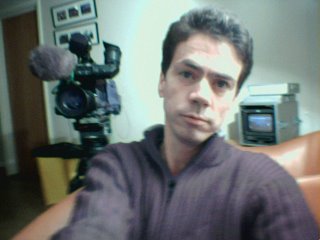
An instructional blog on how to make the best films
Visit A Complex Mind
An new instructional blog on how to make the best films by Philip Darley, Morogo Films
Philip is doing an instructional blog teaching how to use a video camera to tell good stories, to change the world, to express yourself and maybe earn a living doing it.
filmmaking
cinefilm
An new instructional blog on how to make the best films by Philip Darley, Morogo Films
Philip is doing an instructional blog teaching how to use a video camera to tell good stories, to change the world, to express yourself and maybe earn a living doing it.
filmmaking
cinefilm
Suscribirse a:
Entradas (Atom)